
Step 1
Step 2
Step 3
Step 4
Step 5
Step 6
Step 7
Ground Truthing Vacant Lot Recommendations
The Opportunity
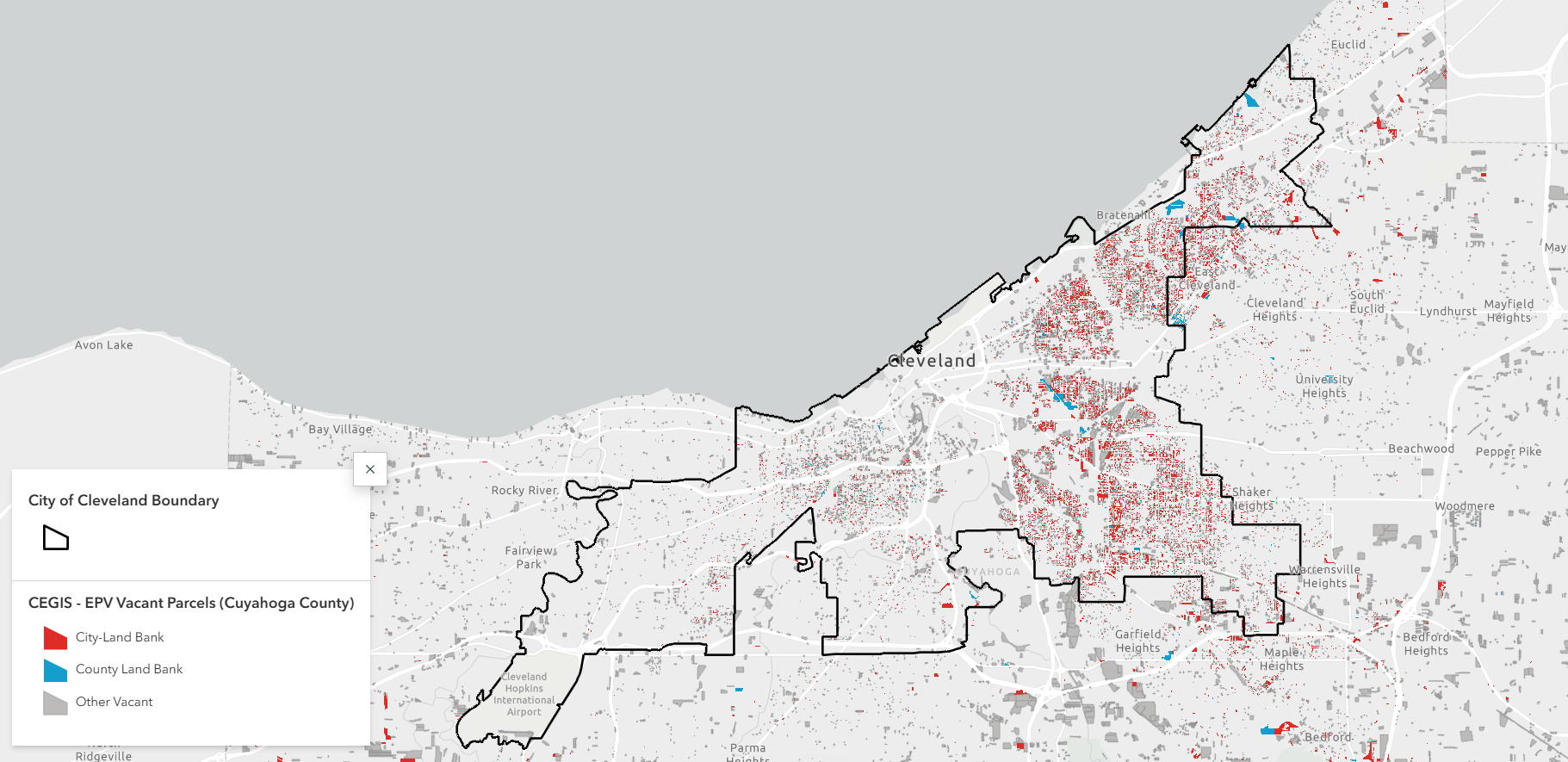
Cleveland has something almost no other large American city has: thousands of acres of publicly owned land distributed throughout its neighborhoods. This inventory is a once-in-a-generation opportunity to define how the city is built and invested in going forward.
But potential requires a plan. How do you make sound decisions about 20,000 parcels in a way that's transparent, consistent, and grounded in both data and community input?
The Problem
If a resident wants to do something with a vacant lot today, the process isn't easy. They visit the land bank website , find a map of available parcels, and try to figure out which ones might work for their idea: whether that's building a house, starting a community garden, or planting trees. There's no guidance on which parcels are suited for which uses. They pick one, submit an application, and wait.
On the city's end, that application gets routed to a councilperson, a community development corporation, and a neighborhood planner. Each has a say. By ordinance, the councilperson has 45 days to act (with one 30-day extension), but there's no regular process that brings all three reviewers together. Applications stall. Good projects get stuck.
Groundtruthing was designed to change that. Not by overhauling the land bank, but by creating something it currently lacks: a map with clear, vetted recommendations for which parcels are best suited for which uses. Applicants can make smarter decisions upfront. Reviewers are engaged through the process itself, so much of the alignment work happens before an application is ever submitted.
Where it Started
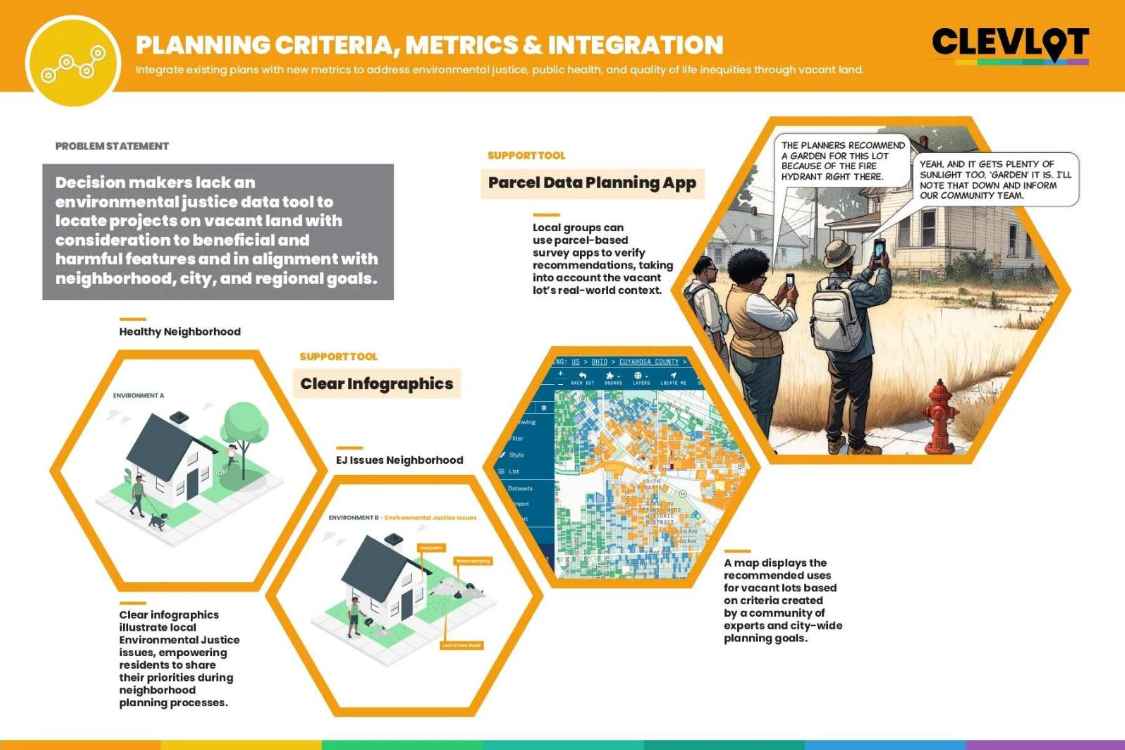
Groundtruthing grew out of the Cleveland Vacant Land Opportunity Tool (CLEVLOT), a U.S. EPA-funded grant led by Western Reserve Land Conservancy in 2021. Through that work, the team found a path forward: combine citywide data with resident knowledge to create land use recommendations the city could stand behind.
How Groundtruthing Works
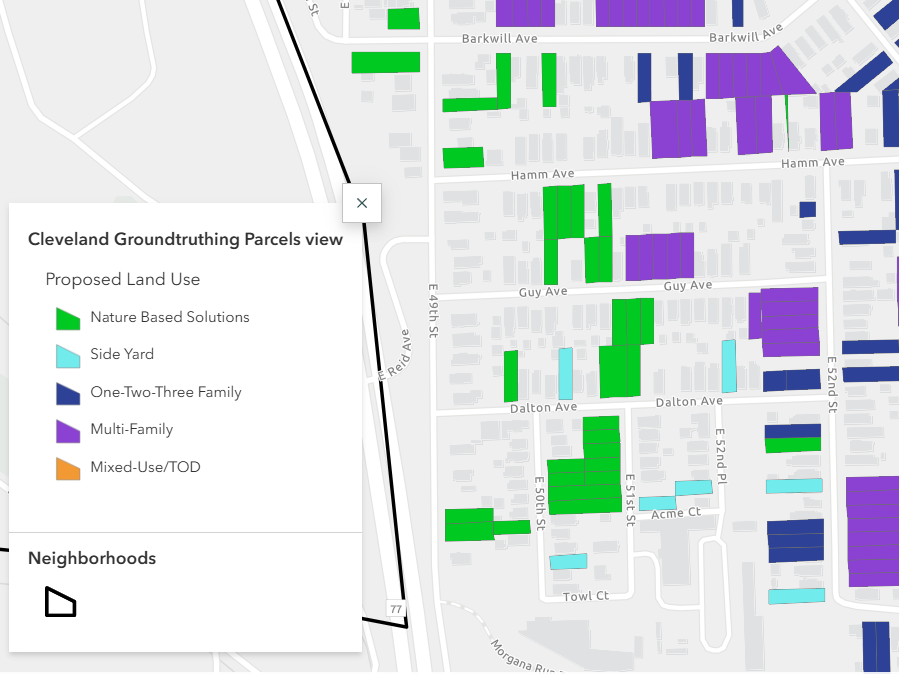
Groundtruthing starts with citywide goals and policies, represented in part by the 15-minute city index and the city's Transit Oriented Development Zone. These tools help prioritize land use for redevelopment - the goal is to foster neighborhoods that provide convenient access to everyday needs and amenities.
The city then designates a land use based on the 15-minute city index score, whether it is in a TOD Zone, the best available data on current tree canopy, and other spatial factors.
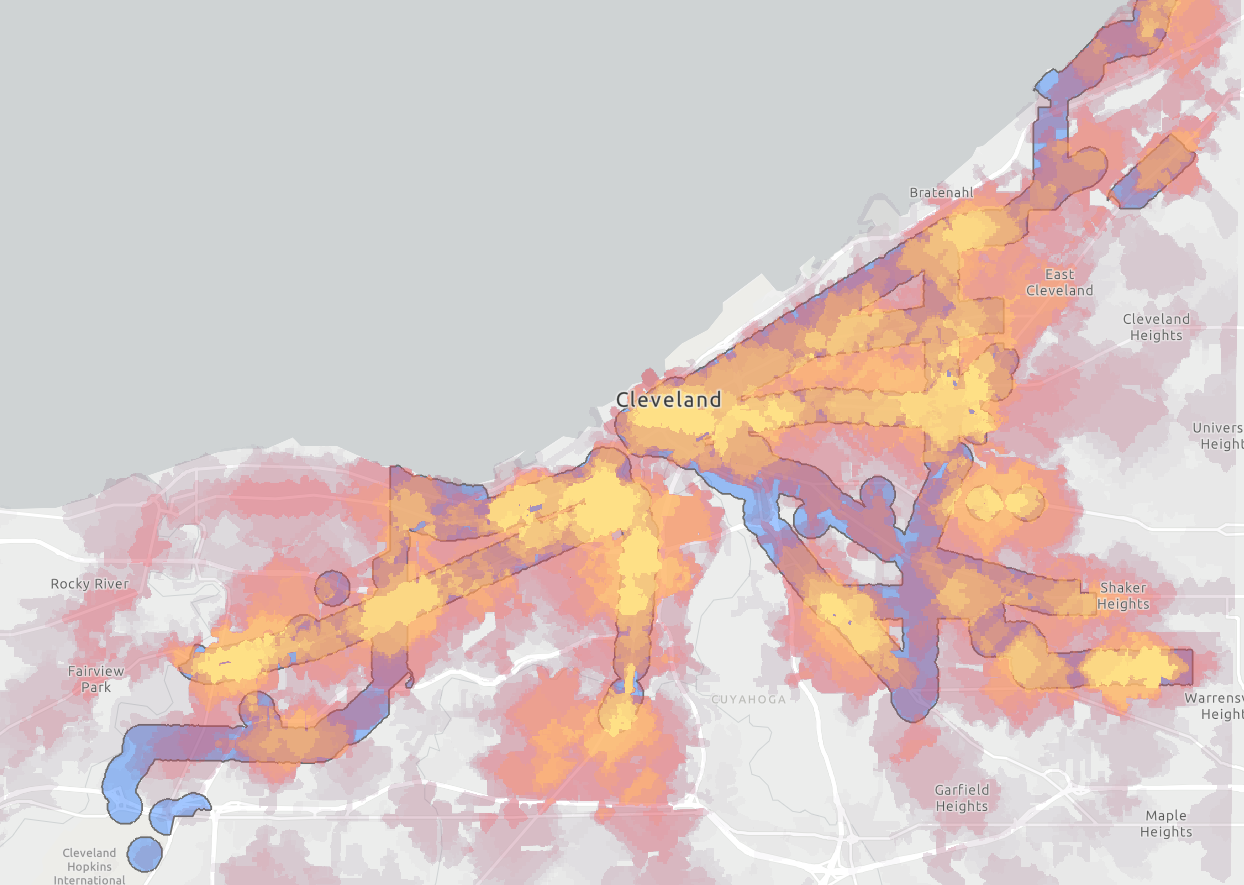
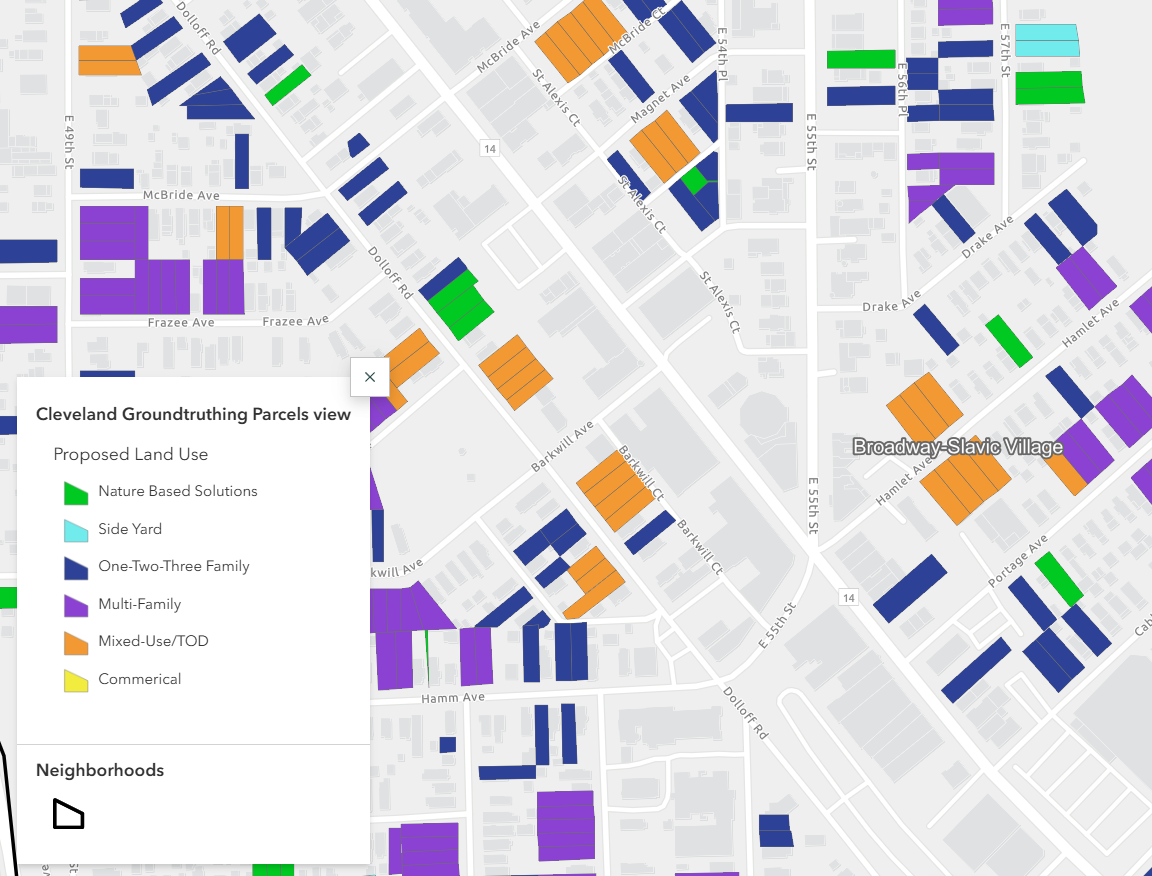
Along Broadway Avenue in Slavic Village, for example, GCRTA is planning a Bus Rapid Transit corridor. Parcels immediately adjacent to it are strong candidates for transit-oriented development.
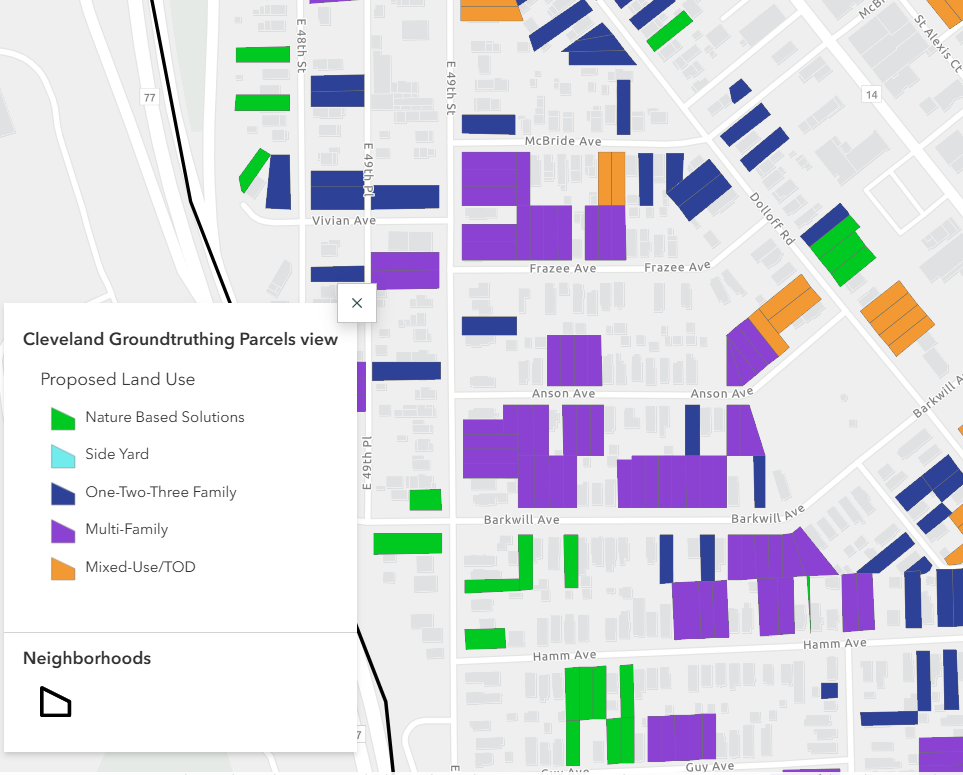
Further still, where density matters but growth can't happen everywhere at once, lower-density housing and nature-based solutions make the most sense. Green space is an amenity too.
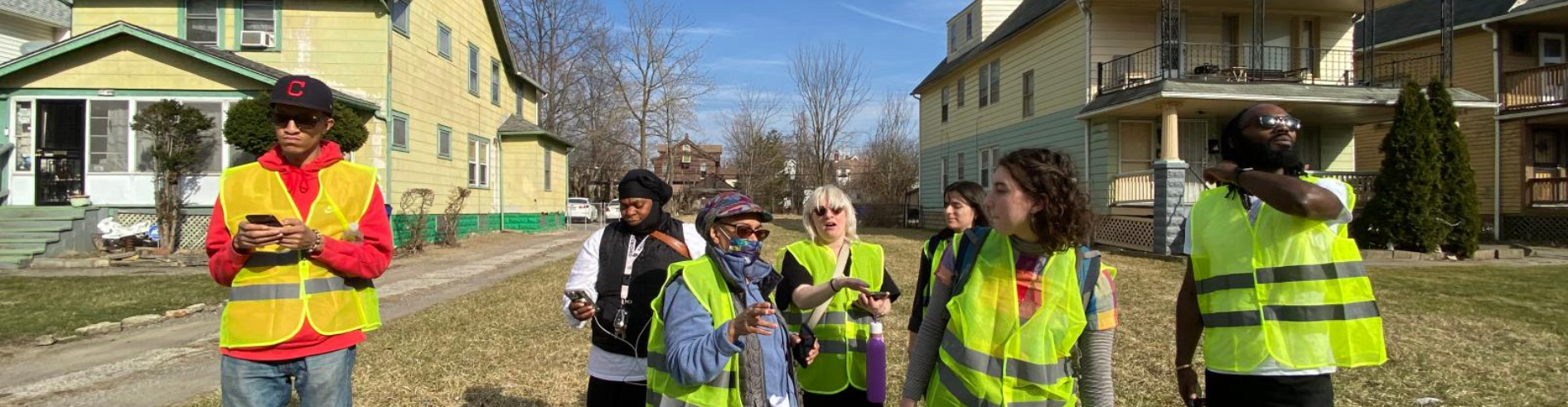
Using FieldMaps, residents reviewed each parcel's proposed use, affirmed it or recommended an alternative, explained their reasoning, and took photos of each lot.
Parcels slightly farther away, particularly larger ones or sites where multiple parcels can be combined, are well suited for multi-family housing to support transit ridership and local business growth.
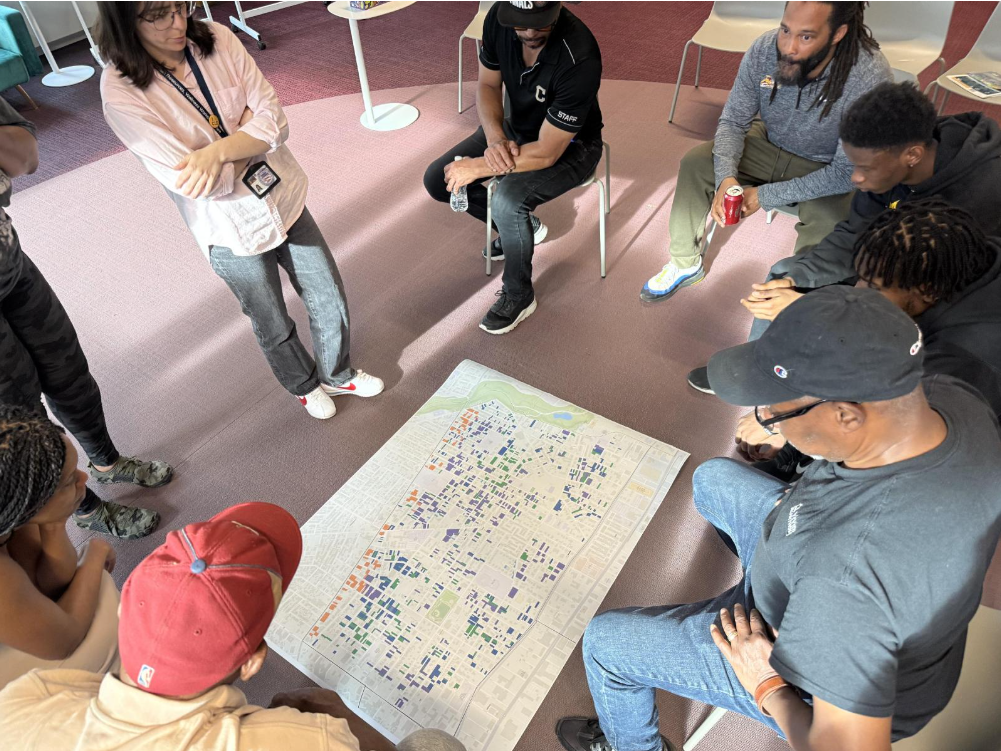
Following the city process, residents are then recruited with the help of CDCs, hired, and paid as surveyors. City staff train them on the planning principles behind the land use recommendations and the tools needed to do the work.
“It educates you and gives you a chance to have a voice.”
“Was amazed as to how many vacant parcels there were. It gives a different perspective being at ground level. Although it is going to take a bit of work, I feel once we work better in unison we will make progression. All it takes are the small wins to make a bigger impact by working with those who are already doing the work. Residents would like to feel they are a part of the planning process too.”
Beyond the planning outcomes, residents described the experience as genuinely connective. 82% said they gained skills they can use in the future, and the same share said they are more likely to attend community meetings or get involved in neighborhood planning going forward.
“Getting sunlight”
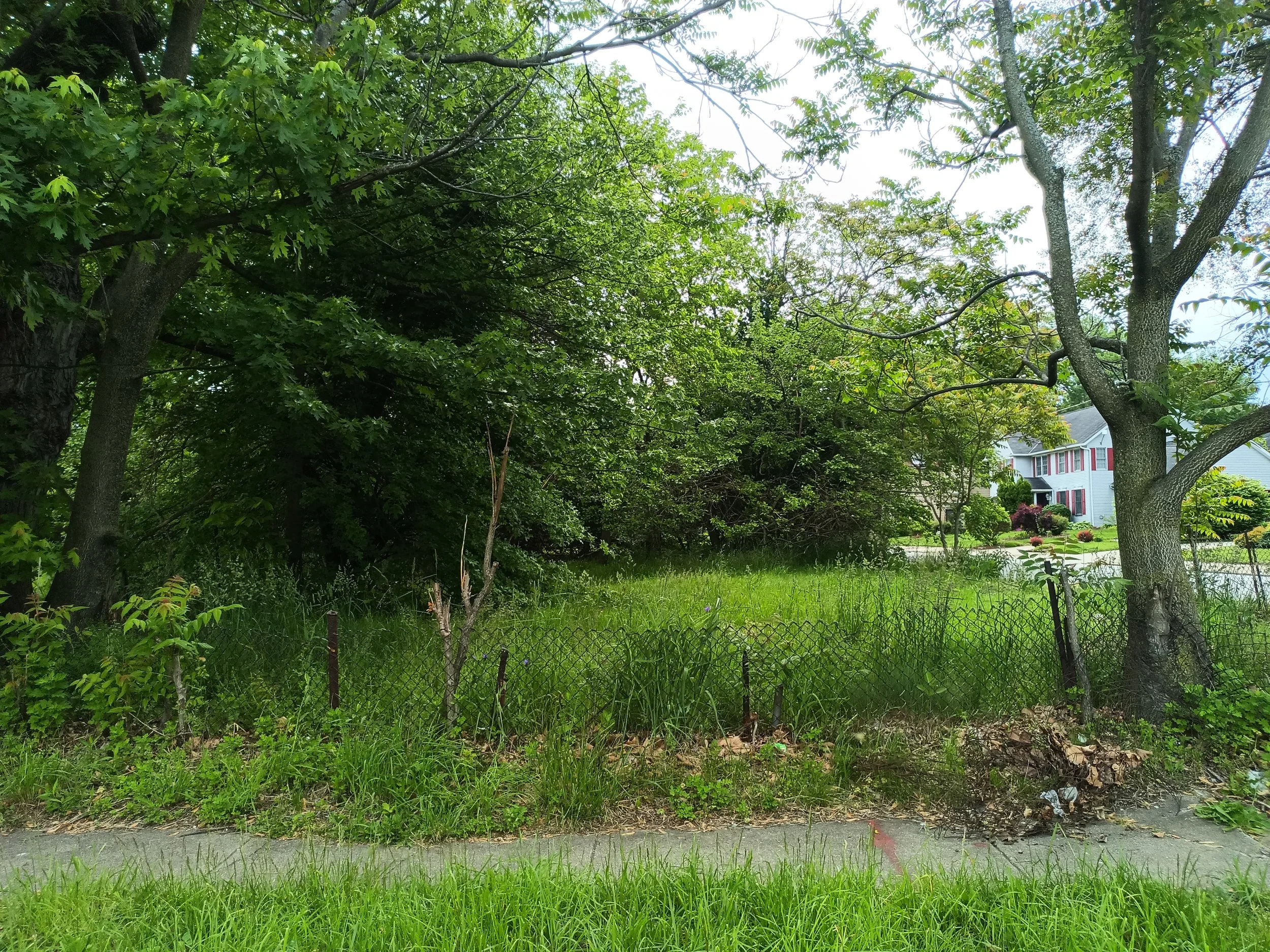
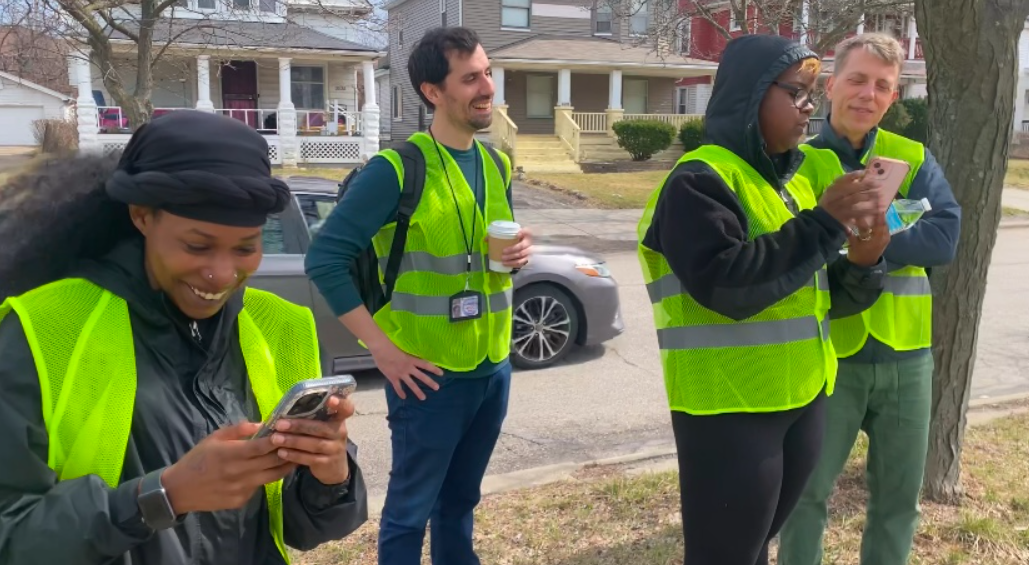
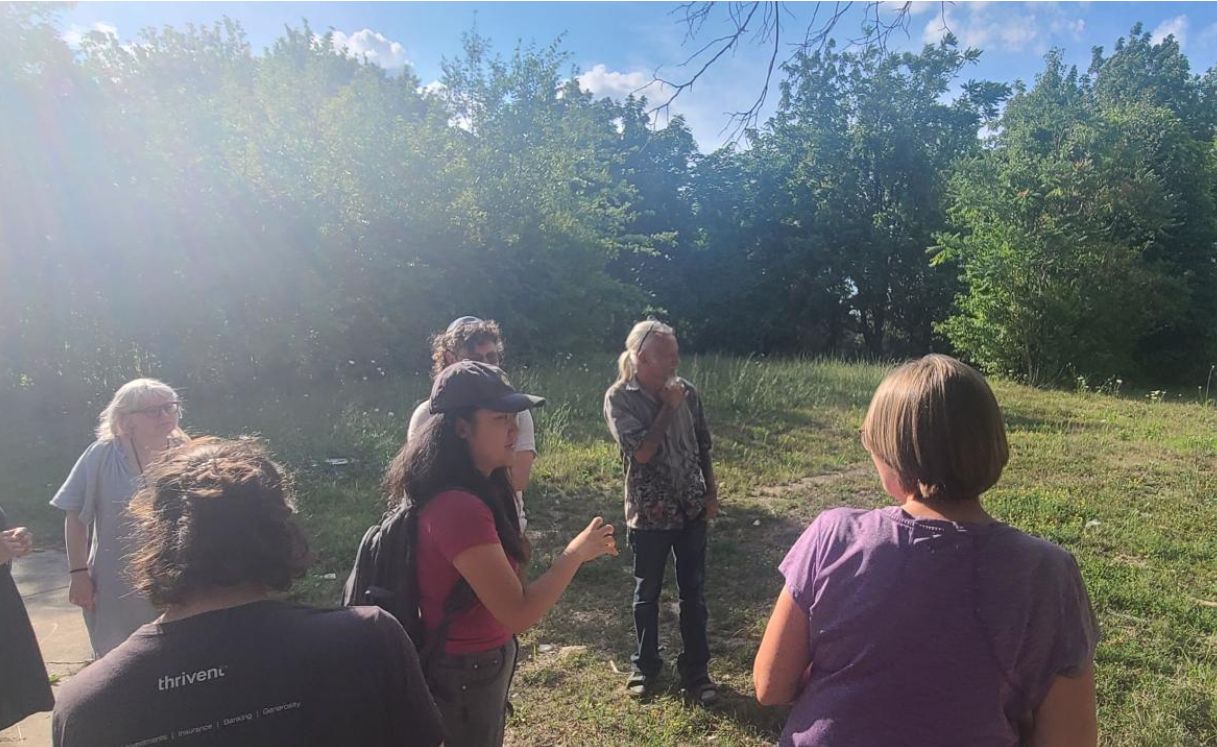
City staff reviewed resident recommendations and affirmed or challenged them in debrief sessions. Staff also walked residents through how groundtruthing results can shape real city processes, from zoning updates to strategic land reuse. The goal: agreed-upon future uses for city-owned land, ready to implement.
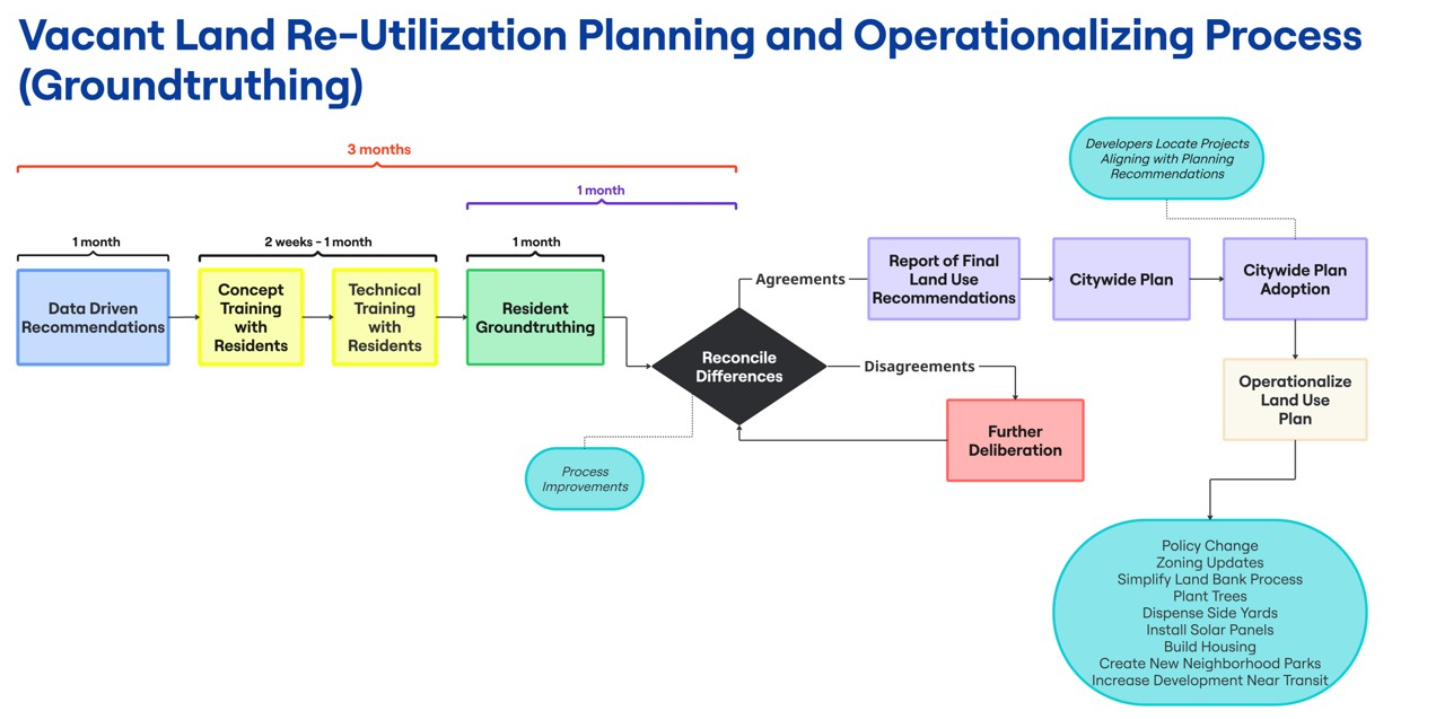
Debriefing the Data Results
Across the four neighborhoods, dozens of residents groundtruthed over 6,000 parcels. The average agreement rate with initial city proposed uses was 65% but ranged from 57% in Hough to 70% in Slavic Village. Out of the possible uses, the breakdown is as follows:
Nature Based Solutions: ~2,200 parcels
Multi-Family Housing: ~1,900 parcels
One-Two-Three Family Housing: ~1,800 parcels
Mixed-Use/TOD: ~1,100 parcels
Side Yards: ~290 parcels
Commercial: 8 parcels
In early 2026, we also facilitated debrief sessions with groundtruthers to discuss how we can use their work to inform city processes and real-world results. In addition to improving the actual land bank reuse process, we can use resident-led land use planning to update zoning maps, develop city-led real estate development projects, inform the citywide plan, and realize new land uses on underutilized land.
While many residents want to see the city (and partners) invest in city land now, changing the land use regulations through zoning plays a fundamental role in the way neighborhoods change over time.
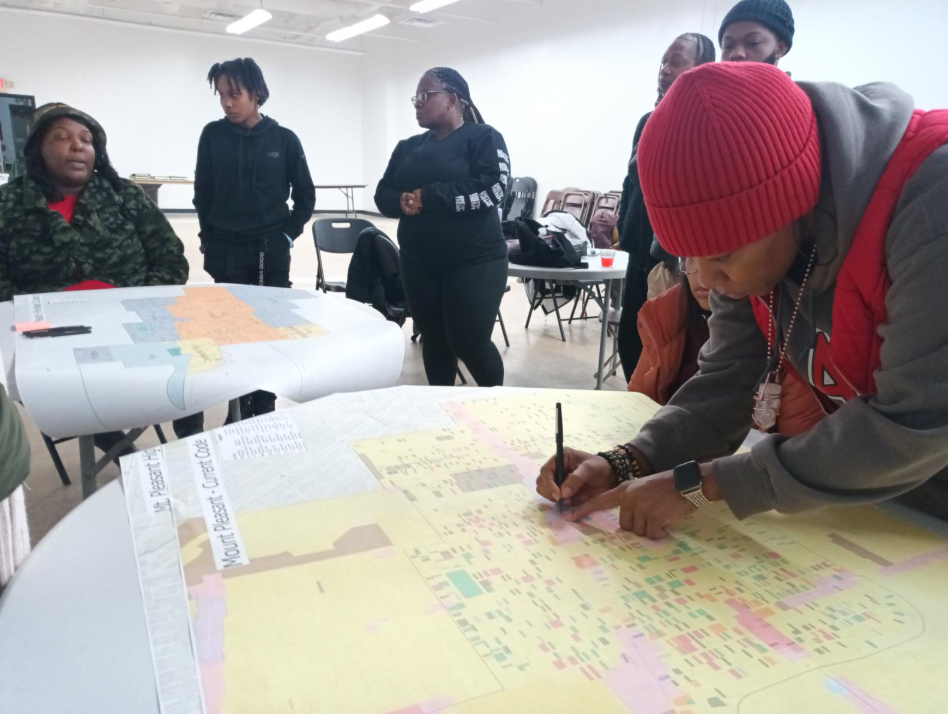
Discussing zoning with resident surveyors, city planners, and CDC staff in Mt. Pleasant
The Resident Experience
82% of residents said they gained skills they can use in the future and are more likely to get involved in neighborhood planning going forward.
Groundtruthing gave Cleveland residents a direct voice in shaping the future of their neighborhoods. By walking their communities and surveying vacant parcels firsthand, participants gained new skills, built connections with neighbors, and developed a deeper understanding of how land use planning works. Of residents who didn't understand zoning before the project, 78% reported understanding it afterward. Of those who hadn't felt connected to city planning decisions, 63% said they did after participating. Every participant rated their experience positively, 59% excellent and 41% good, and every participant said they would do it again.
63% of residents who didn't feel connected to city planning decisions said they did after participating.
Residents described the experience as empowering. "Knowing that your voice is helping shape the future of this city is empowering and purposeful," shared one participant from Mount Pleasant. Another noted, "The project helped me appreciate my neighborhood more, and empathize with my neighbors. I like that my feedback matters."
100% of participants said they would do it again.
“Being a ground truth surveyor is fun. You get to understand parcels and how the city uses the information to transform neighborhoods.”
For many participants, the project changed how they see their own neighborhoods. Walking block by block, parcel by parcel, gave residents a ground-level perspective on vacant land that no map can fully convey.
“Understanding what parcels mean and how they can be changed and used in the city made it easier to look at other parcels around the city and see how they should be used around my neighborhood.”
“Being a ground truth surveyor helps connect you with your community, especially if you’re the type of person that likes to see improvement and growth around you. Knowing that your voice is helping shape the future of this city, is empowering and purposeful. It also allows you to acquire new skills that you may be able to use, in future job/career capacities.”
Implementing Groundtruthing
Groundtruthing results can inform city processes and direct real investment. Updating zoning, supporting city-led development, and making nature-based improvements can all flow from this work. Two things can happen right now: nature-based investments like cleanup and tree planting can begin on suitable parcels today, and zoning updates can lay the groundwork for the development that follows.
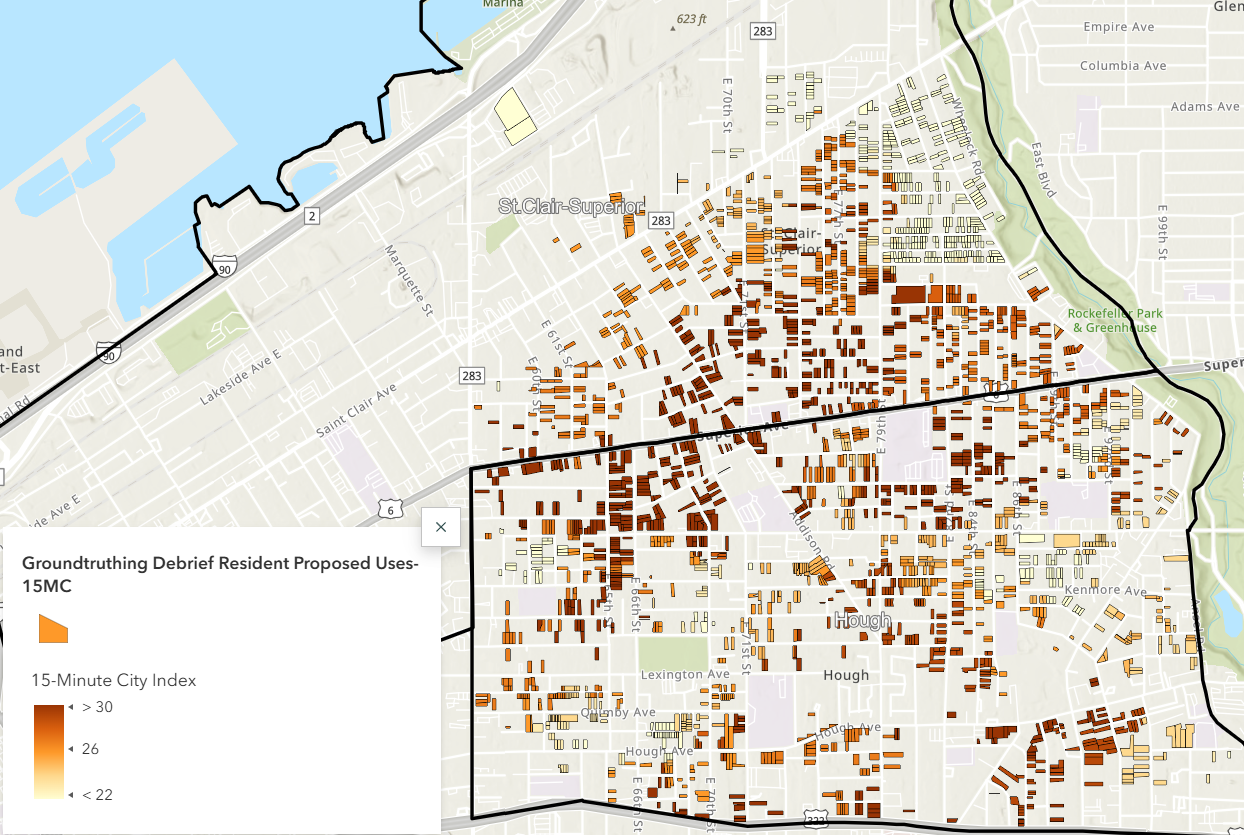
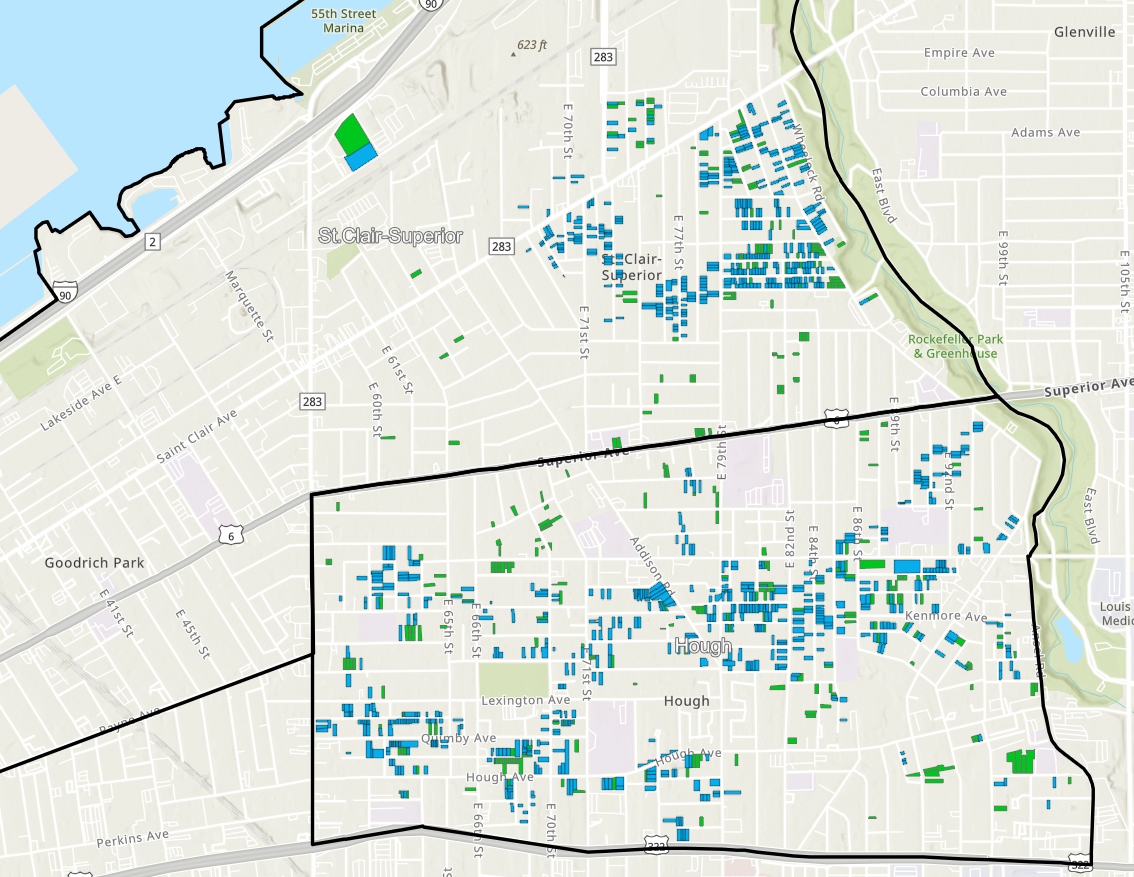
Here's what that looks like in practice, using results from St. Clair-Superior and Hough. Starting with the groundtruthed results, we can sort parcels into different pathways for action.
Nature-based solution parcels are a natural starting point, ideal for immediate cleanup, reforestation, community gardens, and urban agriculture. This gives us a manageable set of sites to act on right away across both neighborhoods.
Adding lower-priority parcels to the nature-based solution sites creates a connected set of locations suited for cleaning and greening alongside longer-term green space investment.
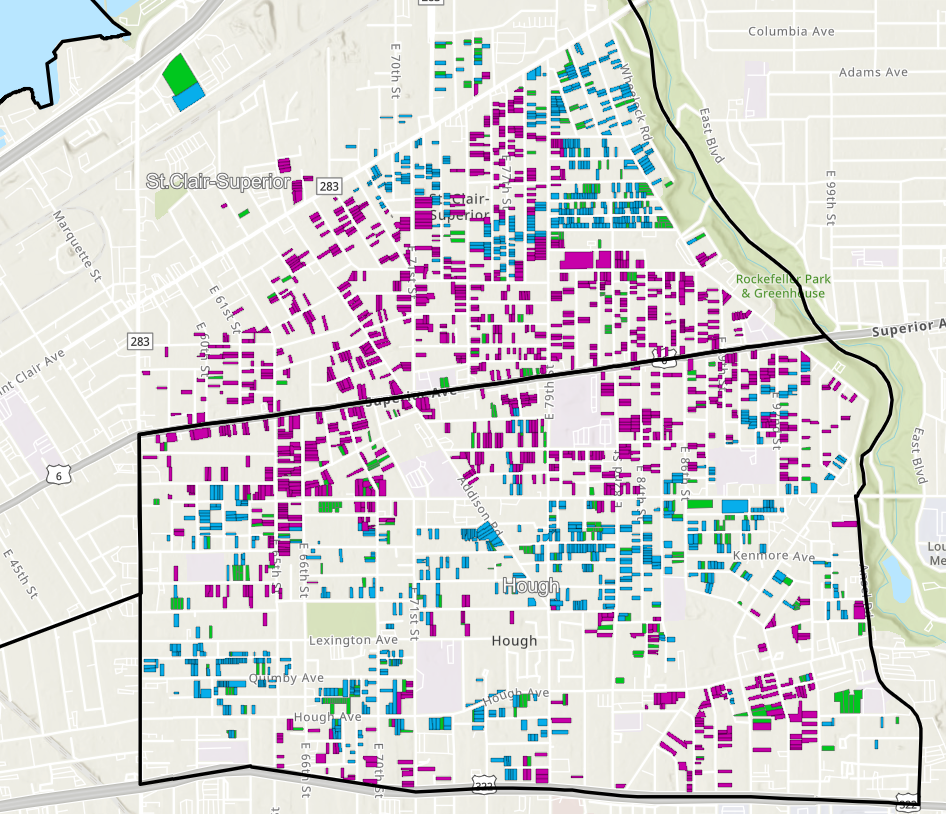
Higher-priority parcels help focus investment on creating concentrated areas of housing and commercial development, where density and proximity can reinforce each other.
We can further prioritize parcels along corridors where the City is already planning major infrastructure investments, including those guided by the Cleveland Moves plan, with imminent capital projects on Wade Park Avenue, Superior Avenue, St. Clair Avenue, East 66th Street, and Lexington Avenue.
“It gave me vision for the next generation”
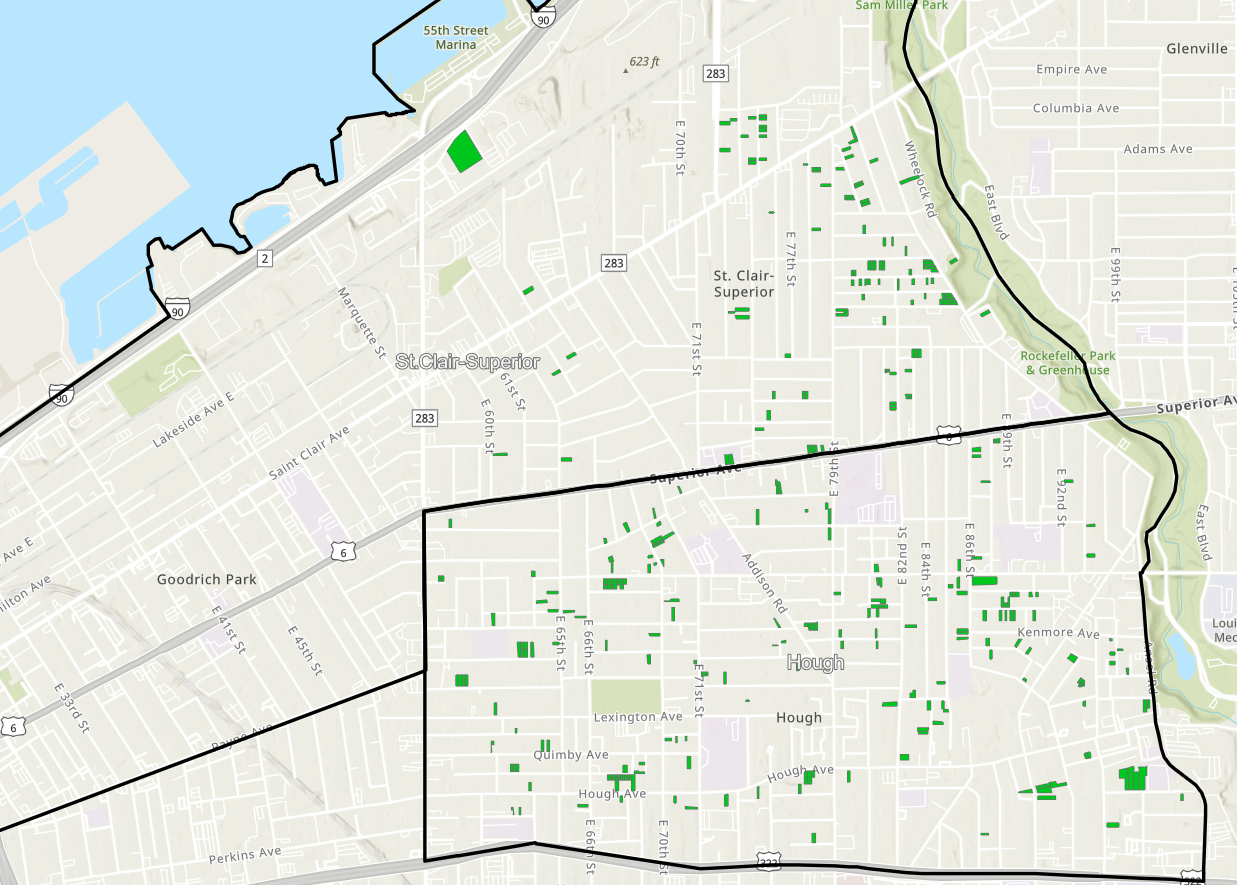
But there are many more parcels that could see investment today. Not every parcel will be ready for development soon, so we use the 15-Minute City Index to prioritize: higher-scoring parcels are stronger candidates for near-term development, while lower-scoring ones can be stabilized with interim uses until it's their turn.
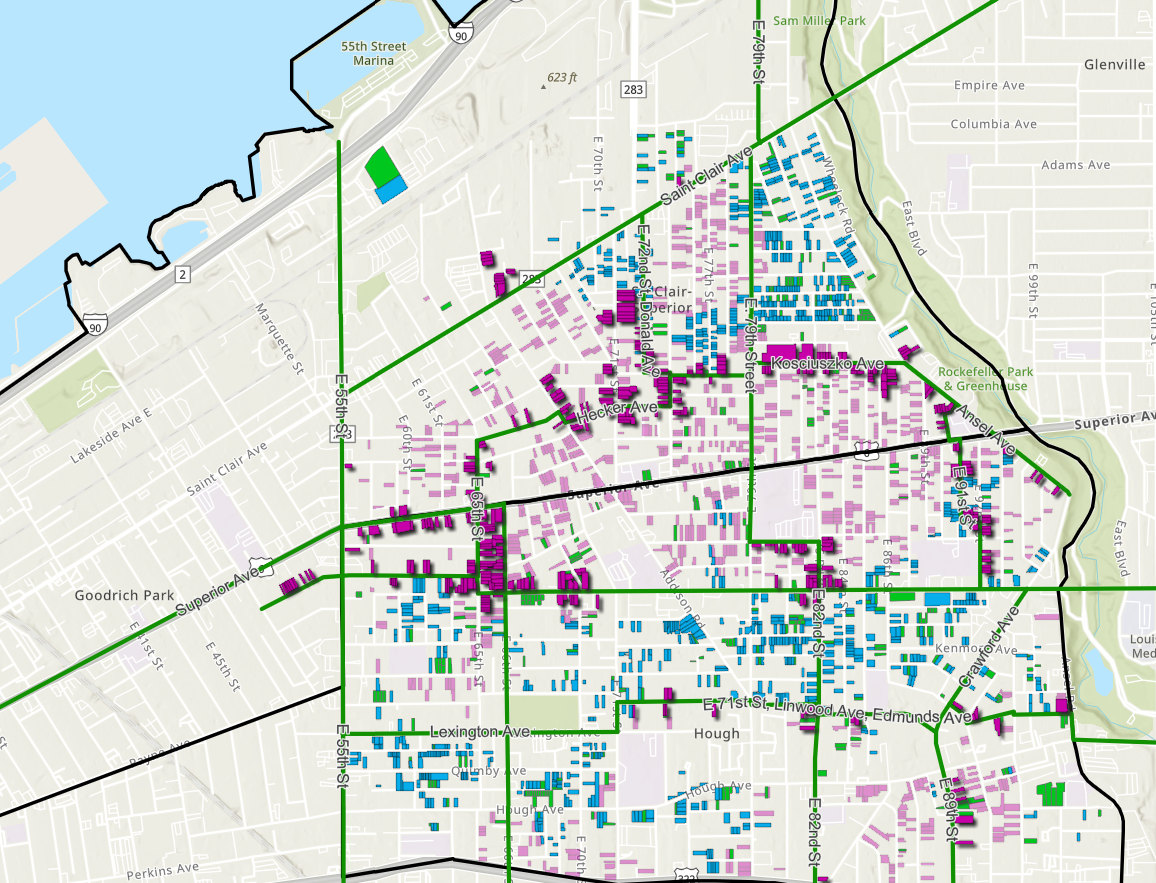
The City of Cleveland has been piloting what these investments can look like in Hough, in partnership with Western Reserve Land Conservancy. These are the parcels where that work is already underway.
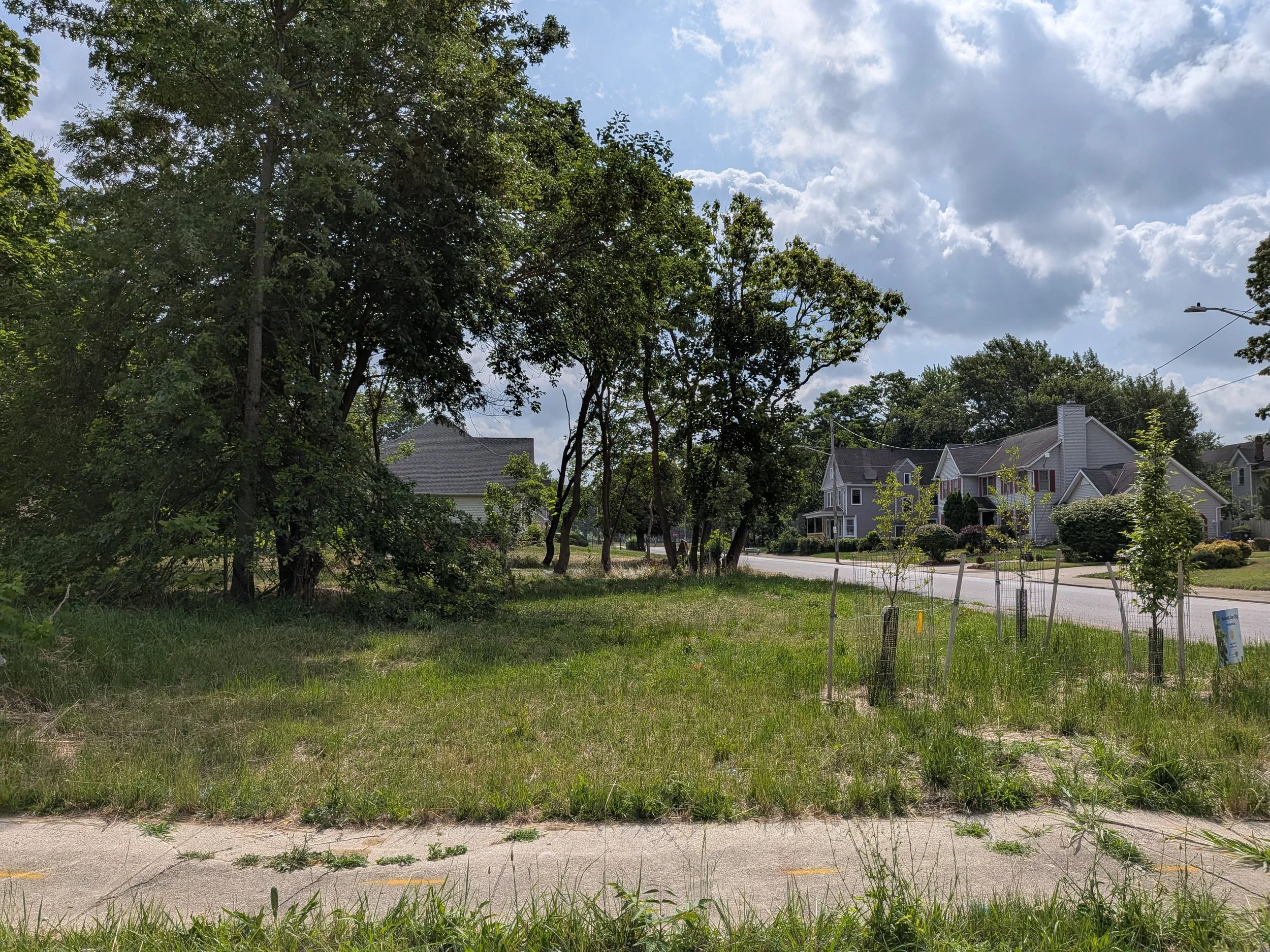
Through a partnership between the City of Cleveland and Western Reserve Land Conservancy, these parcels have been cleaned, planted, and brought back into productive use — guided by the Natural Areas Pattern Book , a shared framework for transforming vacant land into healthy, attractive neighborhood assets. The results are felt by residents in cleaner air, cooler streets, and safer blocks, and they send a signal to the broader neighborhood: investment is happening here, and more is on the way.
Next Steps - Land Bank Management
In addition to the planning and work previously demonstrated, groundtruthing can help speed up the land bank application and approval process. Groundtruthed parcels can help "pre-approve" parcels for development, nature based solutions, or yard expansions. This would reduce the time for application approval by at least 45-75 days. Applicants can also know with greater confidence which parcels to apply for different desired uses.
Our hope as a team is to demonstrate the practical improvements this planning tool can provide and to expand groundtruthing work into a sustainable and reliable pathway for consensus planning and community empowerment in the planning process.
Acknowledgements
Thanks to the staff and partners who helped on this project:
Groundtruthing was developed and executed through the collaboration of multiple teams. Sam Azizuddin, Camilla Rivas, and Madison Newingham prepared data, created documentation, and led training. Tim Dehm designed the groundtruthing process and developed the storymap and its content. Training and field execution were carried out by Slavic Village Development Corporation, NuPoint Community Development Corporation, Midtown Inc., St. Clair Superior Development Corporation, and Western Reserve Land Conservancy.